Introduction
Regular eye checks are simple tests done by an eye care specialist. These exams help keep your eyes healthy. In fact, the importance of regular eye exams cannot be overstated. Early checks can find problems before they get worse. Because your eyes are so important, caring for them should be a top priority. Even if you see well, regular eye check-ups matter for everyone.
Why Regular Eye Checks Matter
Many people think eye exams are only for those who wear glasses. However, this is not true. Regular eye checks offer many benefits for all ages. For example, children need healthy eyes to learn and play. Adults rely on good vision for work and daily life. Older adults face a higher risk of eye diseases, so early checks are key.
According to the CDC, regular eye exams can help prevent vision loss and improve quality of life.
Common Eye Conditions Detected Early
Early eye exams can catch many problems before they become serious. For instance, some common eye conditions found during check-ups include:
Because many of these conditions show no early signs, regular eye exams are vital.
What to Expect During an Eye Exam
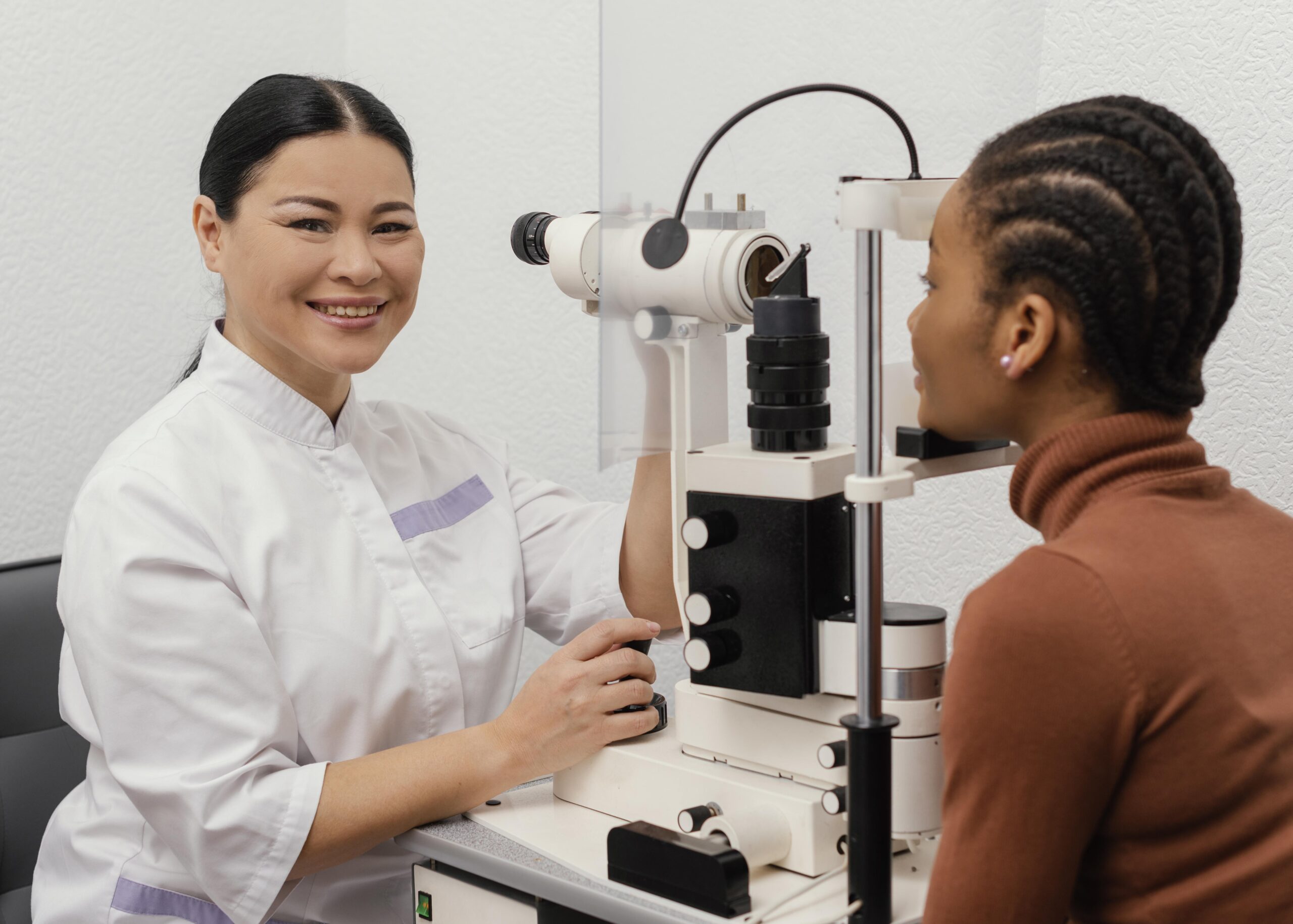
Many people feel nervous about eye exams. However, the process is simple and painless. During your visit, the eye care specialist will:
Sometimes, the doctor may use drops to widen your pupils. This helps them see the back of your eye better. Most exams take less than an hour.
How Often Should You Get Your Eyes Checked?
How often should you get your eyes checked? The answer depends on your age, health, and risk factors. Still, experts offer general guidelines:
Because your needs may change, always follow your eye care specialist’s advice. If you notice changes in your vision, schedule a check-up right away.
Tips for Maintaining Eye Health
Besides regular eye check-ups, you can protect your vision with healthy habits. For example, try these simple tips:
Because prevention is better than cure, these steps can help keep your eyes healthy for years to come.
Conclusion
In summary, regular eye exams are important for everyone. They help detect problems early and protect your vision. Do not wait for symptoms to appear. Consult an eye care specialist for personalized advice.