
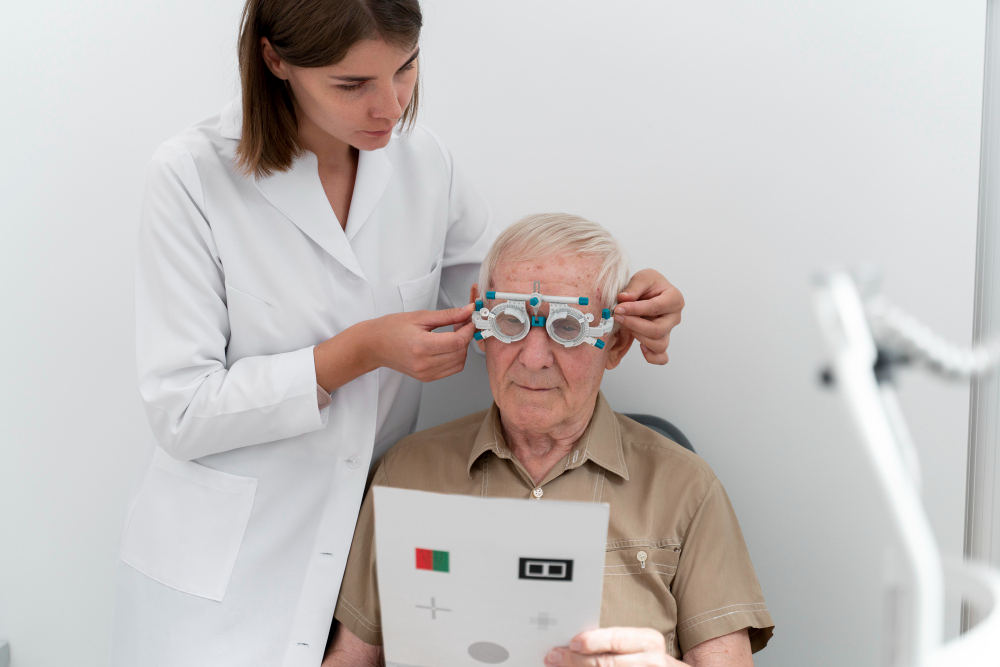
Proper ophthalmology post-surgery care is vital for a smooth recovery and healthy eyes. After eye surgery, following your doctor’s advice helps prevent problems and speeds up healing. In this blog, you will learn about common eye surgeries, basic recovery steps, and essential care tips. You will also find out how to spot complications, make helpful lifestyle changes, and prevent infection. Let’s explore how you can protect your vision after surgery.
Common Eye Surgeries and Recovery Basics
Many people have eye surgeries each year. Some of the most common procedures include:
Although each surgery is different, recovery basics often remain the same. For example, you may need to rest your eyes, use special eye drops, and avoid rubbing your eyes. Your doctor will give you clear instructions for your specific surgery. Always follow these directions closely for the best results.
Essential Post-Surgery Care Tips
After eye surgery, good care helps you heal faster and lowers the risk of problems. Here are some important tips:
Additionally, always ask your doctor if you are unsure about any care step. This helps avoid mistakes and keeps your recovery on track.
Signs of Complications: When to Seek Help
Most people recover well after eye surgery. However, sometimes problems can occur. Watch for these warning signs:
If you notice any of these symptoms, contact your ophthalmologist right away. Early action can prevent serious issues. According to the CDC, quick treatment is key to saving your sight if problems arise.
Lifestyle Adjustments for Faster Healing
Making small changes in your daily routine can help your eyes heal. For instance, try to:
Furthermore, ask your doctor when you can return to work, drive, or exercise. Following these guidelines helps your eyes recover safely and quickly.
Prevention of Infection and Further Issues
Preventing infection is one of the most important parts of ophthalmology post-surgery care. To lower your risk:
Moreover, avoid crowded places and people with colds for the first few days. The World Health Organization (WHO) recommends these steps to protect your eyes from germs and speed up healing.
Frequently Asked Questions
Conclusion
In summary, good ophthalmology post-surgery care is crucial for a smooth recovery and lasting eye health. Always follow our doctor’s advice, stay alert for warning signs, and make healthy lifestyle choices.
If you have any concerns or questions, consult your ophthalmologist at Manas Eye Hospital for personalized post-surgery care advice.